
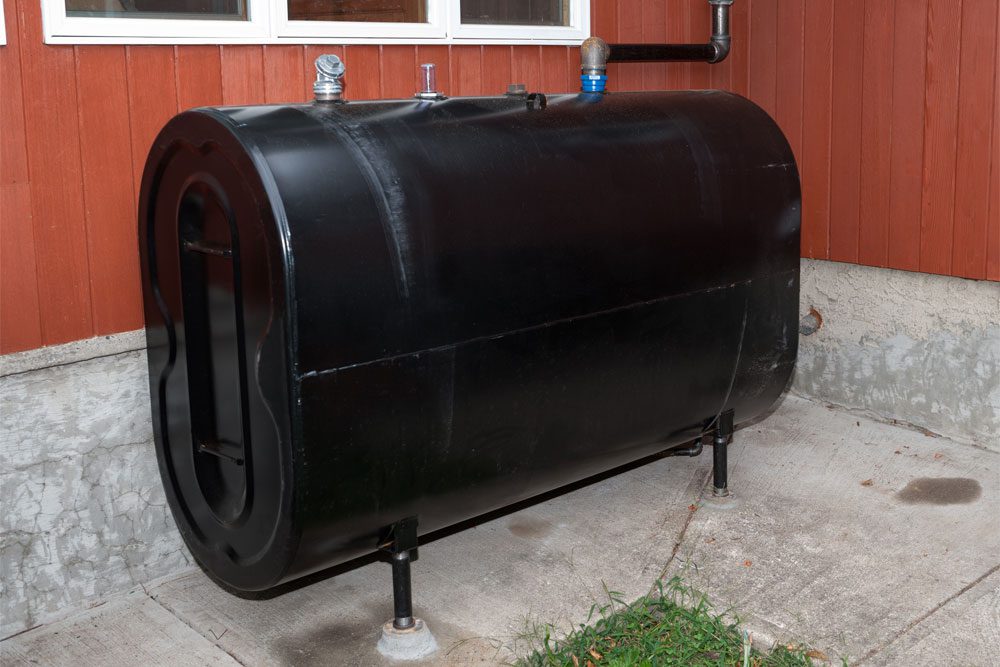
Why Home Insurance Doesn’t Cover Oil Tanks Like You May Think
Why Home Insurance Doesn’t Cover Oil Tanks Like You May Think
According to recent data, nearly 600,000 homeowners in Massachusetts heat their homes with oil. However, less than 10% of these homeowners carry the appropriate insurance coverage for their oil tanks.
Because standard homeowners insurance does not typically cover oil-related damage, many families are left with a significant (and unexpected) protection gap for leaks, spills, and overflows. These types of incidents rarely stay confined to your own property, and the resulting damage can quickly spread into neighboring properties and the surrounding community.
To help protect against large-scale losses, homeowners with oil-heated homes should consider adding an Oil Remediation Endorsement to their policy, which is specifically designed to cover property damage and environmental liability resulting from a leak or spill.
The Hidden Risks of Oil Tanks for Homes
When your oil tank leaks or overflows, the released fuel may not only damage your home and belongings, but it may also cause harm to your neighbors and the surrounding environment. A spill can release harmful toxins into the air and contaminate your community’s drinking water, soil, and sewage systems.
Common causes of leaks and spills include:
- Rust and corrosion
- Mechanical damage
- Oil line ruptures
- Flooding
Cleaning up discharge from a home heating oil system can easily exceed hundreds of thousands of dollars for remediation activities such as removing contaminated soil, treating groundwater, running environmental tests, and even moving a home for excavation purposes. In fact, one Massachusetts family reported an estimated bill of $400,000.
If you do not have the proper insurance coverage in place, you may be responsible for paying these repair and cleanup expenses out of pocket.
Does Home Insurance Cover Oil Tank Leaks and Spills?
In general, standard home insurance does not cover leaking or overflowing oil tanks or boilers for three primary reasons:
- Escaped heating oil is usually classified as a pollutant, and pollution-related losses are typically excluded from coverage.
- Home insurance is designed to cover incidents that are sudden and unexpected, not losses that occur gradually, such as slow and persistent seepage.
- Rapid releases of oil are often caused by a lack of maintenance, which is also generally not covered by insurance.
However, Massachusetts law requires insurance companies to offer a separate Oil Remediation Endorsement to help homeowners pay for expenses associated with a fuel release.
How to Get Oil Tank Insurance in Massachusetts
By adding an Oil Remediation Endorsement to your home insurance policy, you can gain coverage for:
- Property damage: Your insurance company can help you pay to repair your home, restore your backyard, and replace your belongings if they are damaged in an oil spill.
- Pollution liability: If your oil tank damages your neighbor’s property or contaminates public land or utility systems, this coverage can help cover the associated restoration and legal costs you are held responsible for.
Insurance companies in Massachusetts must offer a minimum of $50,000 in coverage for damage to your own property and a minimum of $200,000 for damage to the environment or someone else’s property, including related legal fees and expenses.
To be eligible for this rider, your oil heating system must typically meet state regulations and be inspected on a routine basis. Most insurance companies require a Certificate of Compliance, which can be obtained from your fuel provider, before you can purchase Oil Remediation Coverage.
In general, protection is not available for:
- Heating systems with a history of repeated spills
- Oil tanks that are unknowingly buried underground
- Vacant homes
- Dwellings under construction
Crucial Oil Tank Maintenance Tips to Prevent Leaks
Because oil spills can result in extensive property and environmental damage, prioritizing your tank’s routine maintenance can help reduce the risk of a major loss. This includes:
- Scheduling a professional inspection each year
- Regularly cleaning oil lines, pipe connections, drains, filters, and valves
- Monitoring tank levels and fuel consumption
- Checking for cracked, rusted, or deformed leg brackets and platforms
- Removing snow, ice, tree branches, and other potentially harmful debris from the tank, surrounding area, and overhanging roof
- Installing a leak detection device
Your Gilbert Insurance team is here to help you avoid being financially drained by an oil spill. When you connect with us, our knowledgeable agents will ask about your home’s heating system so we can properly assess your coverage needs.